AI receptionist vs chatbot, the short answer
An AI receptionist is voice software that answers a business's phone calls. It talks to callers, answers questions, books appointments and takes messages. A website chatbot does similar work in text, in a chat window on your site and sometimes on WhatsApp or other channels.
Which one a small business needs depends on where customers try to reach it. If most enquiries are phone calls you can't pick up, start with an AI receptionist. If most come through your website or WhatsApp, start with a chatbot.
AI receptionist vs chatbot compared
| Feature | AI receptionist | Website chatbot |
|---|---|---|
| Where it works | Your phone line | Your website, sometimes WhatsApp or other channels |
| How people use it | They call and talk | They type |
| What it does | Answers, books, takes messages, transfers calls | Answers, books, takes details, points to a person |
| How it's priced | Minutes or calls a month | Conversations or credits a month |
| Paid plans from | About R415 a month | About R350 a month |
| Setup | Forward your number to it | Paste a code snippet on your site |
Receptionist paid plans start at $24.95 a month for 30 calls (Upfirst), $29 for 75 minutes (Reception.ai), $49 for 250 minutes (Rosie), $79 for 100 unique customers (Goodcall) and $150 for 75 calls (Smith.ai), which also has a free plan for 25 calls. That puts paid plans at about R415 to R2,496 a month. Chatbot prices are compared in How much does an AI chatbot cost in South Africa?.
Prices from each vendor's pricing page, checked 7 November 2026. Rand amounts converted at R16.64 to the dollar.
What happens when it doesn't know the answer
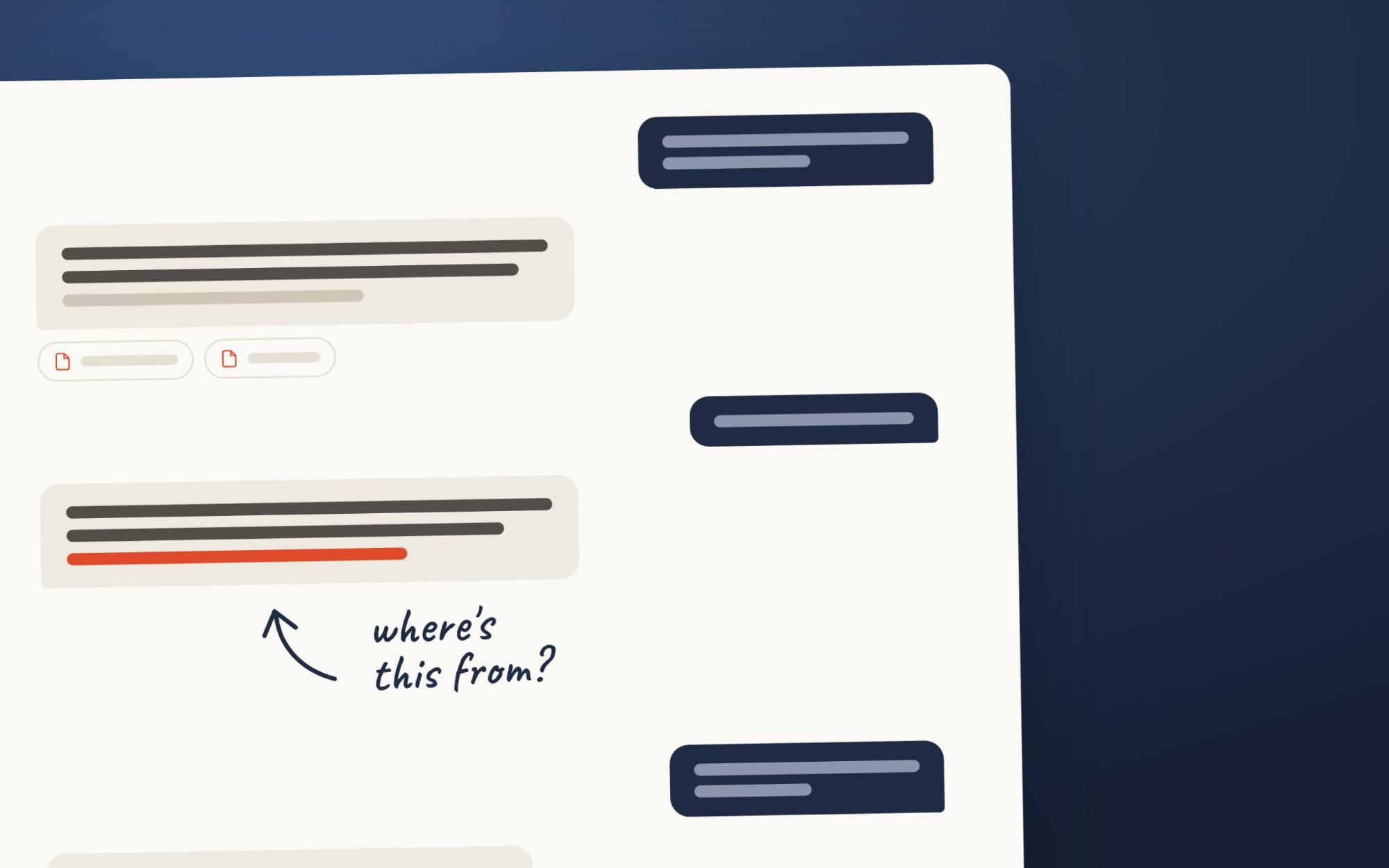
Both kinds need a clean handover. A receptionist can usually transfer the call or take a message. A chatbot should say what it couldn't find and give the customer a way to reach you. Ask any vendor to show you that moment before you sign up, since it's where customers decide whether they trust it.
Which one fits your business
Look at where enquiries go missing now. A month of missed calls against a month of website and WhatsApp messages is a fair way to decide.
An AI receptionist suits a business where hands are busy and most customers phone, such as a plumber on a job or a salon mid-appointment. A caller who gets voicemail may ring someone else.
A chatbot suits a business that customers find online first, where people ask about prices and the areas you cover before they decide. Those questions come at all hours, and the answers are usually already on your website, which is where a chatbot reads them from. People comparing businesses late at night often read before they ring.
If both channels are busy, you may end up with both.
Using an AI receptionist in South Africa
The receptionists above all bill in US dollars. Before you sign up for one, check these.
- That it works with a South African number. Ask whether it answers on a local number or by forwarding calls from yours, and what your network charges to forward them.
- That it understands South African accents. Most of these products are built for American callers first. Test it with a few calls from people with different accents and home languages, and include some local street and suburb names. If it mishears a name or a number, it books the wrong slot or takes down the wrong details.
- What it records. A recorded call holds personal information, so POPIA applies. Tell callers they're speaking to an automated assistant and that the call may be recorded.
Where Lorito fits
Lorito is the website side of this. It builds a chatbot from your website address, and on paid plans it can work with tools you connect, such as a calendar. It doesn't answer phone calls. Plans start at R349 a month. A one-off free allowance of about 20 conversations lets you try it on your own site (pricing).