What is a white label chatbot?
A white label chatbot is an AI chatbot an agency sets up for its clients and sells under its own brand. Customers see the client's brand, and the client sees yours.
A web design agency in South Africa can resell AI chatbots this way. Most of the work is setup and upkeep on sites you already build. The obligations sit in POPIA and in your client contracts.
How reselling a chatbot works
- Pick a platform that lets you remove its branding.
- Set up a chatbot for each client from their website, and test it before it goes live.
- Agree what you charge and who keeps the content up to date.
- Sign an operator agreement with the client under POPIA.
- Read the conversations for the first few weeks, when most corrections get made.
What your client sees, and what still shows the platform
"White label" covers a range. Some platforms only let you change the chat window's colours, and the platform's name still turns up elsewhere. Before you resell anything, check each of these places.
- The chat window, including the logo, colours, launcher button and any "Powered by" line.
- The embed code, and whether the script your client pastes in loads from the platform's domain or yours.
- Preview links you send a client before launch.
- The dashboard, whether clients log in at all, and whose name and domain they see if they do.
- Emails such as low-credit warnings and invoices.
On Lorito, any paid plan removes "Powered by Lorito" and lets you set the client's logo, launcher icon and share image. Lorito's agency plans add your own logo, colours and font on previews and the dashboard, your own domain for the dashboard, and no Lorito login for your clients. On Agency Pro the embed code is served from your domain too, once that domain is verified.
How to price a white label chatbot
Start from your cost per client, then add your time. Lorito's agency plans share one pool of credits across every client project. Agency is R1,799 a month for up to 10 client projects sharing about 1,600 conversations on the default model. With all 10 in use, that's about R180 a client before your time. Agency Pro is R3,599 a month for up to 30 projects sharing about 4,000 conversations, or about R120 a client when full. If one client has a busy month, top-ups start at R169 for 5,000 credits.
| How you charge | Works well when | Watch for |
|---|---|---|
| Inside an existing retainer | Clients already pay you monthly | Clients rarely notice it, which makes a later increase hard to explain |
| As its own monthly line | You'll report on conversations | Clients can cancel it on its own |
| A setup fee plus monthly | The first build and review take real time | Needs a clear scope for the setup |
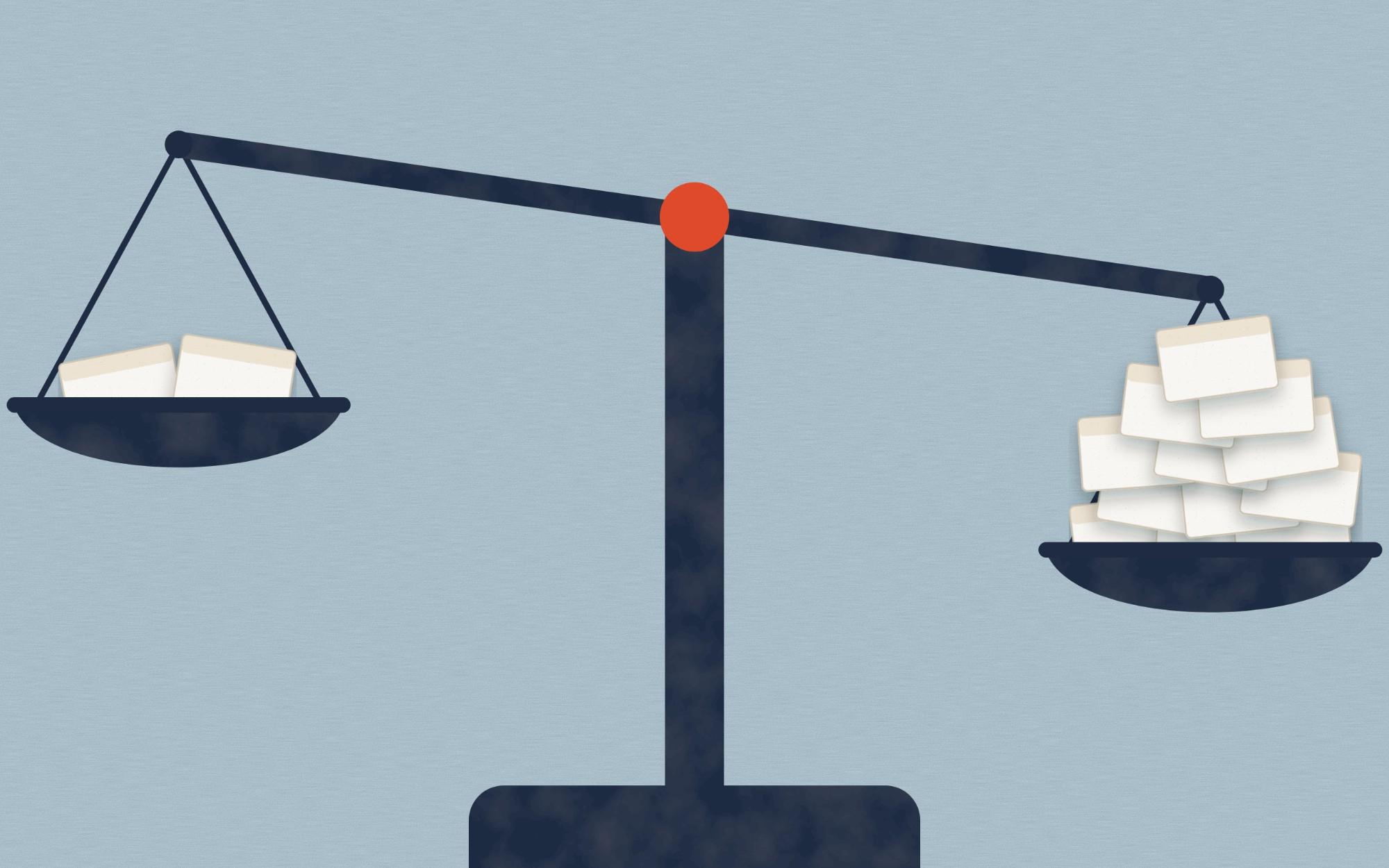
A shared pool means one busy client can use conversations meant for the others. Set a fair-use number per client, or price the busy ones separately.
Can a web design agency resell AI chatbots in South Africa?
Yes. Nothing stops an agency reselling software under its own name. What needs care is the personal information the chatbot collects and what it tells customers. This isn't legal advice, so have an attorney check your contracts.
Personal information under POPIA
A chatbot collects names, numbers and whatever else customers type. Your client is the responsible party for that information. If you process it for them under a contract or mandate, you're an operator.
Section 21 of the Protection of Personal Information Act requires the responsible party to have a written contract that makes the operator keep the security measures in section 19. It also requires the operator to tell the responsible party immediately if there's reason to think the information has been accessed by someone unauthorised. Sign the same security and breach-notice terms, usually set out in a data processing agreement (DPA), with the platform you resell and any other service your client's data passes through. If that platform stores data outside South Africa, section 72 on cross-border transfers applies as well.
What the chatbot says
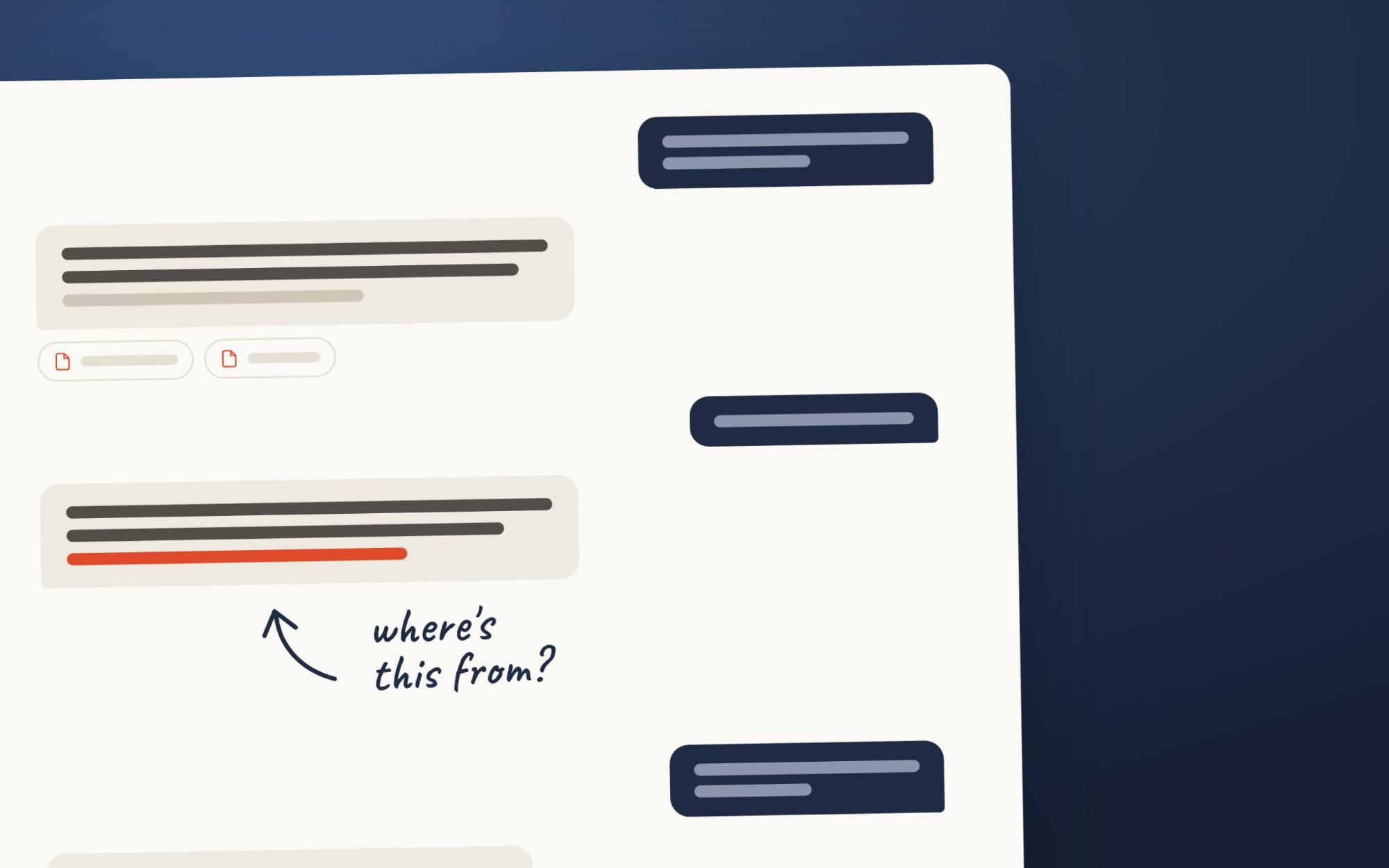
Customers will hold your client to the chatbot's answers. In one case, British Columbia's Civil Resolution Tribunal ordered Air Canada to pay a customer after its chatbot got a refund rule wrong. The tribunal found the chatbot was part of the airline's website (Moffatt v. Air Canada, 2024 BCCRT 149).
There's no South African ruling on this yet. The Consumer Protection Act's rules on misleading representations are worth raising with your attorney.
Settle these with each client before launch.
- Who updates the website content the chatbot answers from, and how quickly after a change? (How to stop a chatbot making things up covers why it matters.)
- Who reads the conversations, and how often?
- What should the chatbot never answer, and where does it send those questions instead?